
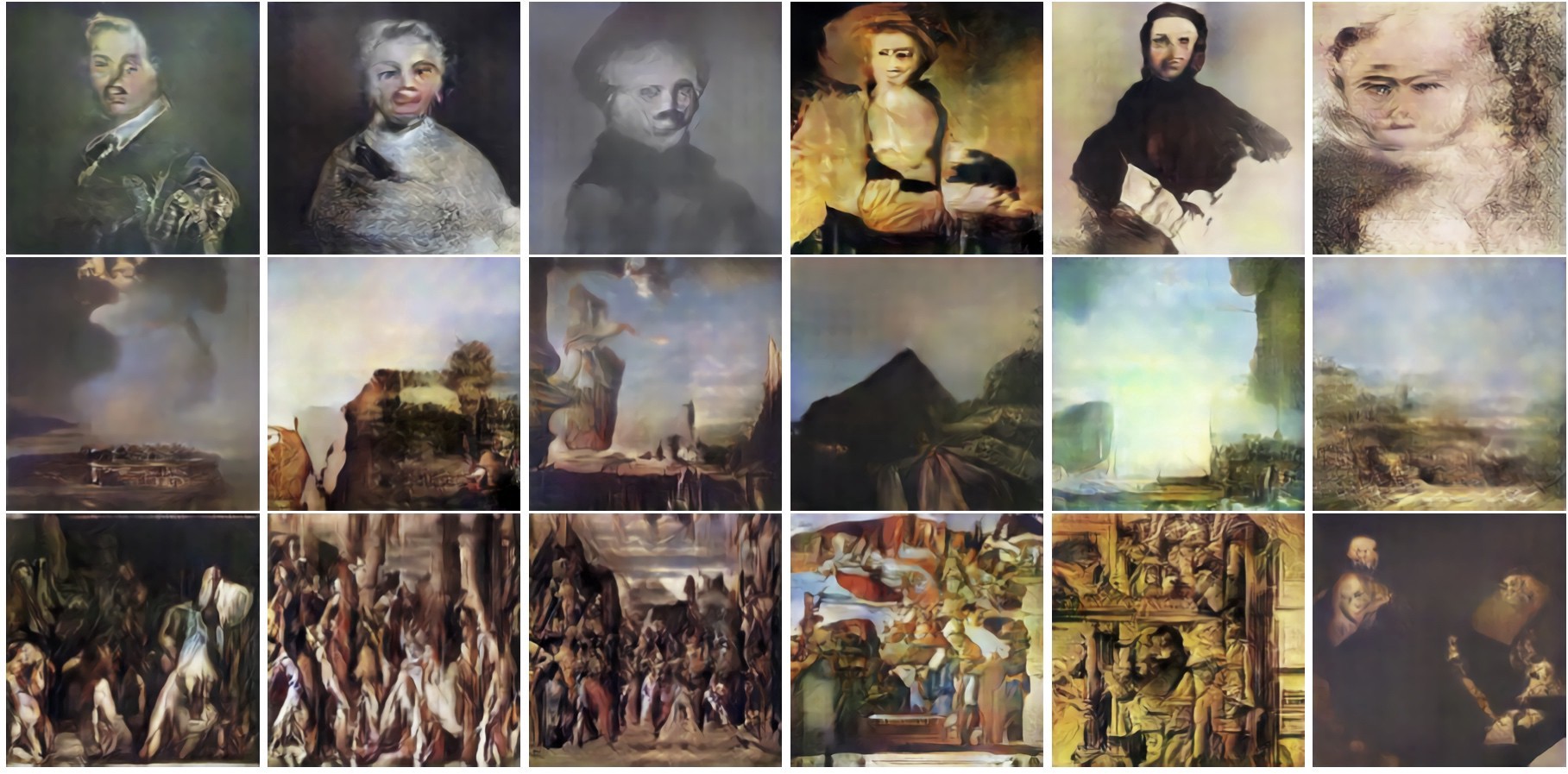
Original artwork generated by AI developed at the Rutgers’ Art and Artificial Intelligence Laboratory.
Interested by the possible outcome of databending, and deeply disturbed by researching AI generated imagery, I decided to experiment with a few photographs of my previous work. I hoped to investigate how the accidental manipulation of an image, caused by various software trying to adopt this same information, will influence my perception of the said image. Hence, placing myself merely in the position of ”step in the production process” of artwork, testing how similar are processes executed by my bain, and by the machine. Figures presented below are documenting some of those efforts.
This small test made me think about the connection between creativity and modern digital tools. It is very reminiscent of Ingold’s argument “that creativity emerges from within an ongoing, improvisational process between makers, materials and other non-human things such as tools and the physical environment. [Therefore] These non-human play an active role in influencing the thought processes of the maker and vice-versa’’. We can interpret the circle of creation as a self-fueling process of making more sophisticated tools to shape more sophisticated ideas.
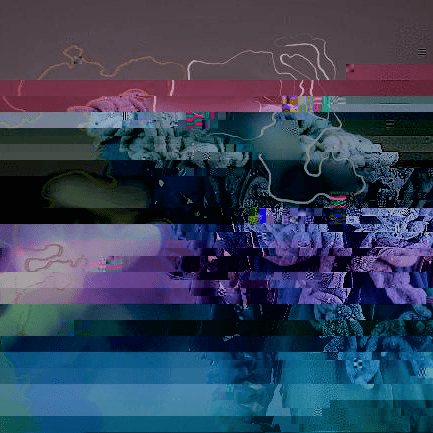
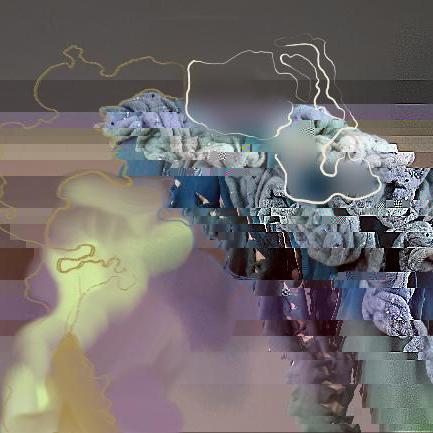
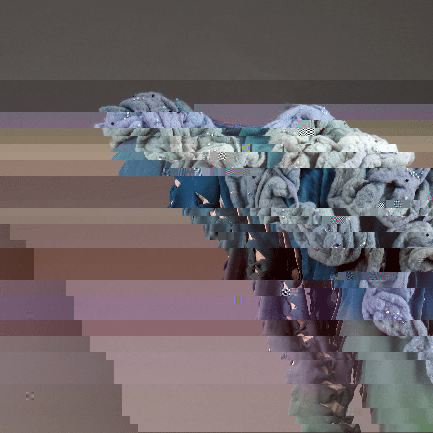
Does it mean that similar tests can potentially lead us to sci-fi like future, where technology is usurping equal status as a human artist? If art is always at least partly a subjective interpretation of the reality (Sontag, 1966) influenced by multiple factors; how can we judge which representation is better? Especially bearing in mind that in a post-Duchamp era every object can be considered as an art and artist is no longer required to acquire specific skills or social position. Thus, maybe an artist is no longer obliged to be human or even posses physical presence?
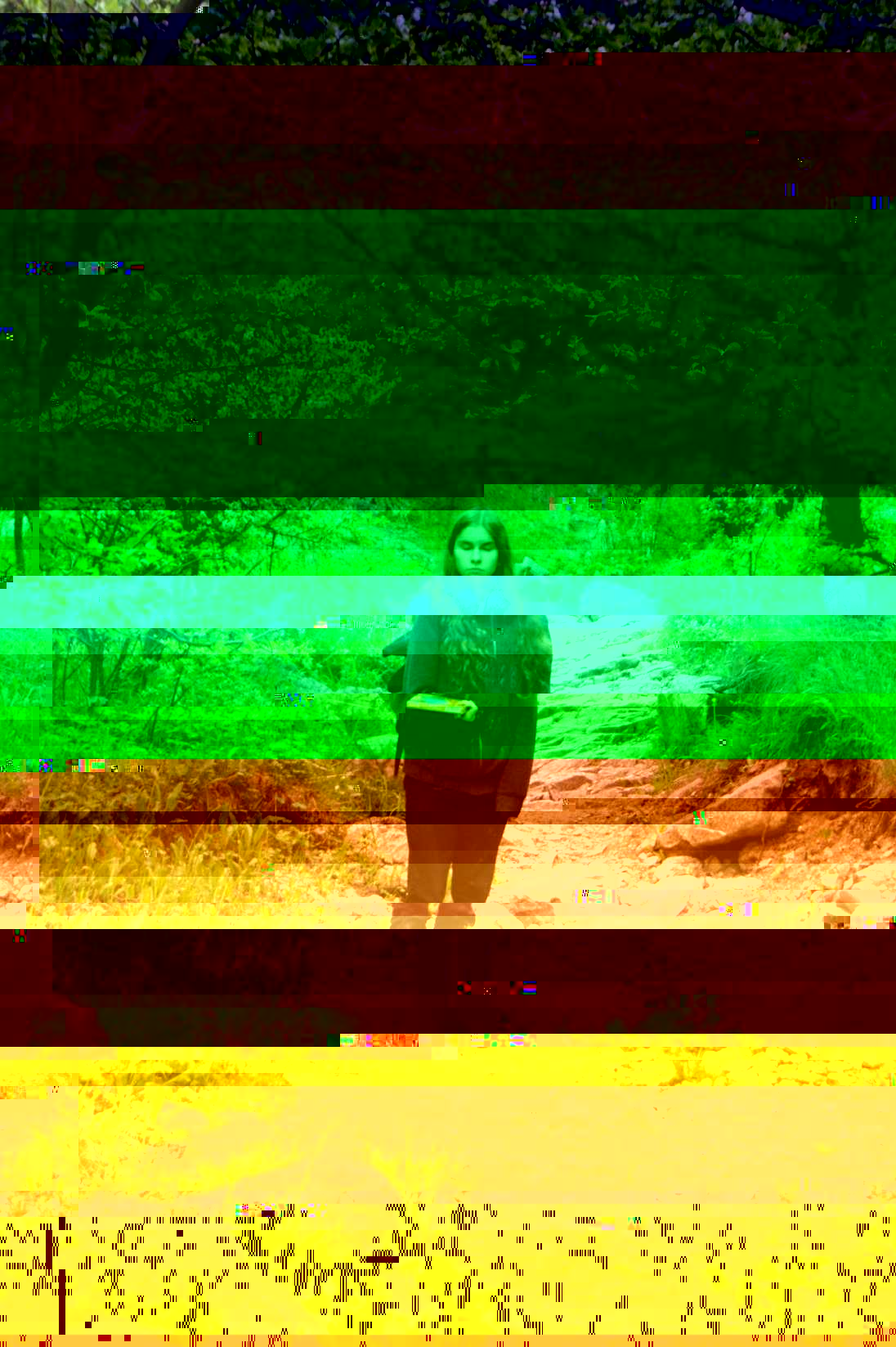
software interpretation 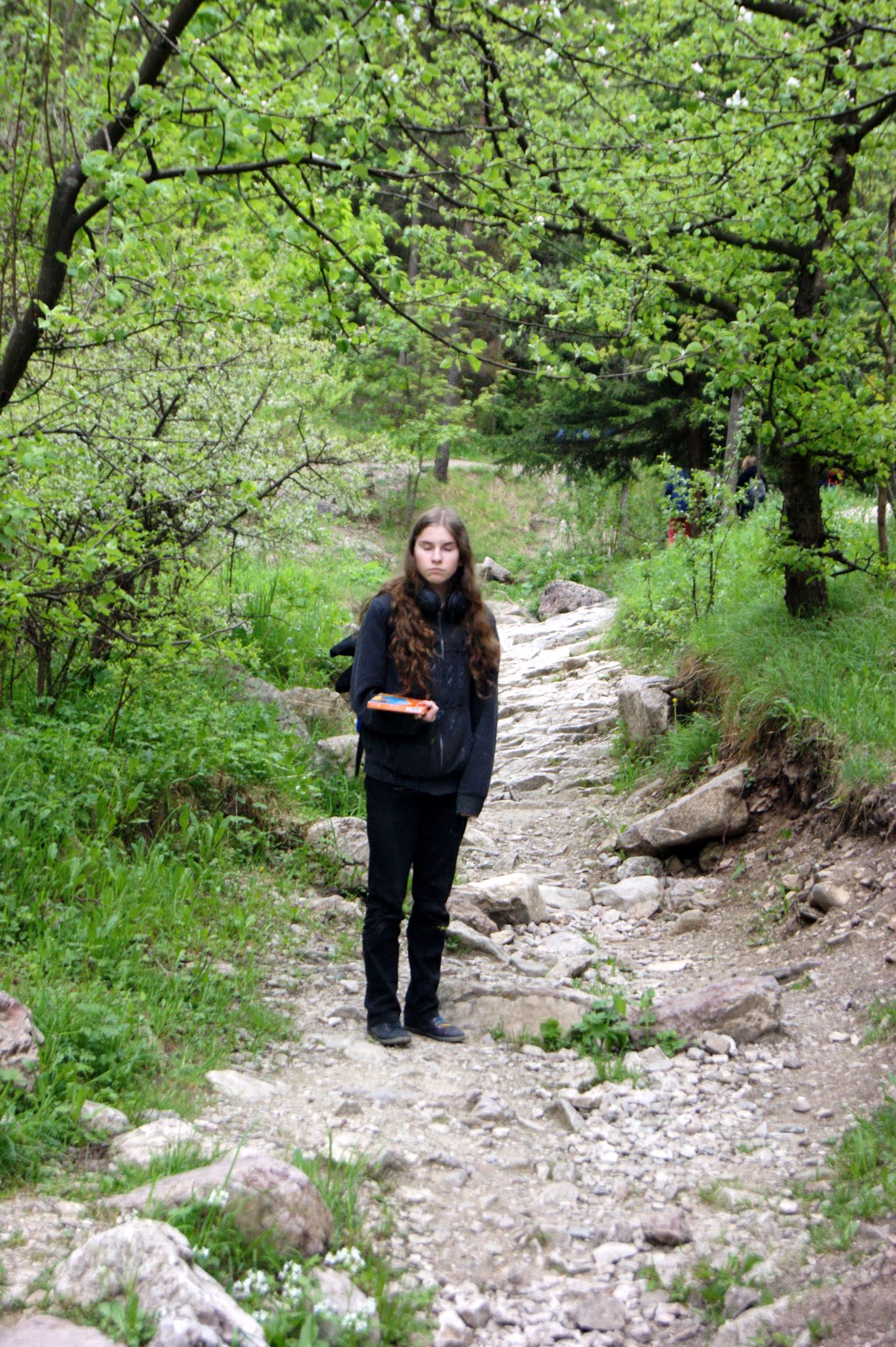
original photo 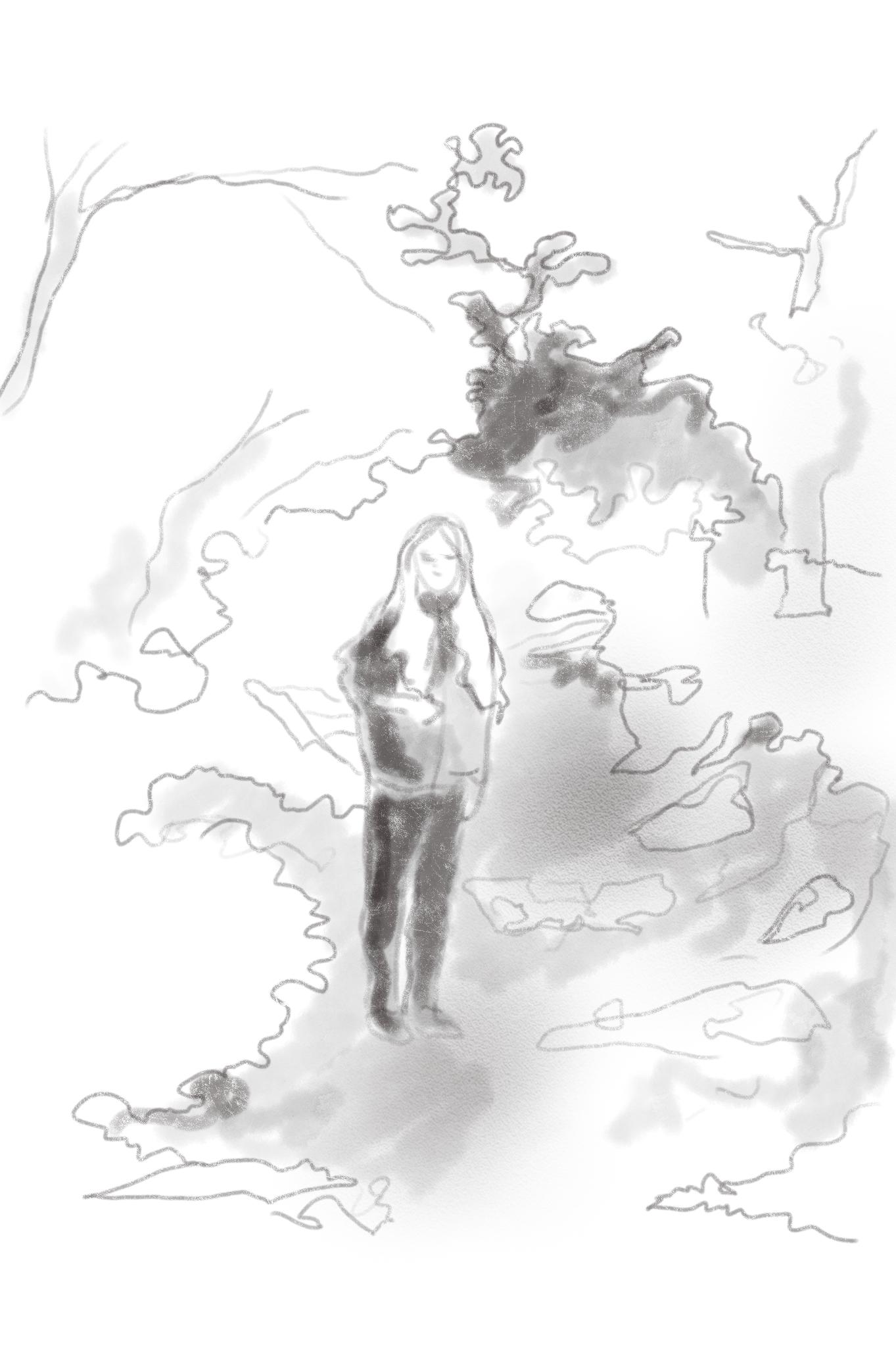
human interpretation
Discoveries of the XX century radically changed our technology created a brand-new environment for visual art, ”Our Fine Arts were developed …, in times very different from the present, by men whose power of action upon things was insignificant in comparison with ours.”(Valéry, 1928). Currently, we yet again observing how technology is changing consumers of visual art. Younger generations generally present shorter attention span and hyper-reading of digital materials (Hayles, 2012) what pressures artist to create new content continually. It is also creating ”new canon” for visual art: brighter, more saturated, the high definition images created in the hope of being more ”instagrammable” than their predecessors. Does this lead us to place art as a tool of digital technology or we can feel safe that digital technology will always be only a tool of the art?
Speculating on those issues, I realised that some of the classical art technics and their processes are working quite well as a visual metaphor of new digital procedures. For example, monochromatic ink sketches can explain data transmission created by the binary system presenting information as patterns of positive and negative spaces, similar to the presence and absence of electrical current (0 and 1). Subsequently, multilayer oil painting has a comparable structure to most of the modern software (interface, code), where only the top layer is visible and understandable for the majority of spectators. However, all of the layers are necessary to create coherent functioning work.
It is clear that form, content and delivery of culture are continuously evolving. However bigger idea of cultivating our traditions, entertainments and rituals is still powerfully present whether the artist chose to use their real or virtual digits. Instead of seeing art and technology rivals we can see them as somehow symbiotic organisms, sharing and shaping the field of culture. We should forget ”The philistine notion of “art” in all its overweening obtuseness, a stranger to all technical considerations, which feels that its end is nigh with the alarming appearance of the new technology’ and embrace new realm of possibilities. We should get inspired by Malevich (2002) description of Jacquard loom ”[…], a programmed machine (which) was already synthesising images even before it was put to process numbers.” This example is showing a natural connection, established very early on, between art and technology; suggesting that art and technology can mutually reinvent themselves, recycling thoughts and processes placing them in a new context.
https://medium.com/artists-and-machine-intelligence https://mashable.com/video/ai-art-exhibit-nyc/?europe=true#2ZOsxEAkrZq3
https://www.theverge.com/2019/2/1/18192858/adobe-sensei-celsys-clip-studio-colorize-ai-artificial-intelligence-art
http://www.louisapenfold.com/4552/
Benjamin, W. (2008) Work of Art in the Age of Its Technological Reproducibility, and Other Writings on Media, Cambridge, Massachusetts: Harvard University Press Ingold, T. (2013) Making: Anthropology, Archaeology, Art and Architecture, London: Routledge Hayles, N. K. (2012) How We Think: Digital Media and Contemporary Technogenesis Chicago: University of Chicago Press Manovich, L. (2002) The Language of New Media, Cambridge, Massachusetts: MIT Press
Sontag, S. (1966) Against Interpretation, New York: Farrar, Straus and Giroux Valéry, P. (1928) The Conquest of Ubiquity – https://mtyka.github.io/make/2015/09/12/the-conquest-of-ubiquity.html


Playing more to your strengths in this one. You could consider building on Art in the Mechanical Age of Reproduction as a starting point. Tim Ingold also has a book called Making: Anthropology, Archaeology, Art and Architecture that might be worth taking a look at for some inspiration. It could be a useful way of considering some of the conversations we have had in class with regards to the network in relation to more material processes. Also, moving this blog conversation into the realm of AI with a suitable case study could offer alternative perspectives on the relationship between art and technology.
LikeLike